

People still ask the same questions. Why does online porn keep growing despite bans, criticism, and tighter rules? Why do creators say it’s freedom while others quietly disappear? The short answer is demand and design. Adult content is among the most consumed digital media categories in the world, rivaling major social platforms in traffic. Sites like Pornhub pull hundreds of millions of monthly visits, not because of hype, but because they solved friction early: privacy, instant access, and reliable monetization.
This industry didn’t grow by accident. It adapted faster than regulators and faster than social norms. Subscription models, tipping, pay-per-view, and affiliate systems were mainstream here long before creators on YouTube or Instagram talked about “monetizing an audience.” Ignoring this space doesn’t shrink it. It just leaves most people misinformed about how large and organized it has become.
From studios to solo creators changed everything
For decades, porn looked like a studio-controlled machine. Performers were replaceable, contracts were onesided, and distribution power sat at the top. That shifted when platforms like OnlyFans entered the picture. Suddenly, creators could own their audience, set prices, and cut out middlemen.
A creator with a few hundred loyal subscribers can earn a full-time income without ever going viral. That independence is real, but it comes with hidden weight. Creators become performers, editors, marketers, customer support, and brand managers all at once. Algorithms reward consistency, not rest. Burnout is common, even if income looks good on paper. Freedom exists, but it’s paired with nonstop visibility and pressure to stay relevant.
Algorithms reward clicks, not wellbeing
Online adult platforms run on the same logic as mainstream tech. Watch time wins. Novelty spreads. Extremes outperform moderation. The system doesn’t ask whether content is healthy or sustainable, only whether it keeps users engaged.
This creates escalation pressure. Creators feel nudged toward more intense niches to maintain visibility. The same mechanics now power shortform video apps and recommendation feeds everywhere else. Adult platforms just implemented them first and with fewer illusions about morality. Once you understand that, the industry looks less shocking and more like a preview of where digital media tends to go.
Regulation, payments, and the quiet power of gatekeepers
Governments didn’t design internet law with adult commerce in mind. The result is a patchwork of age verification rules, liability laws, and sudden enforcement shifts. When companies tied to MindGeek faced pressure, massive content purges followed. Some were necessary. Many legitimate creators lost income overnight.
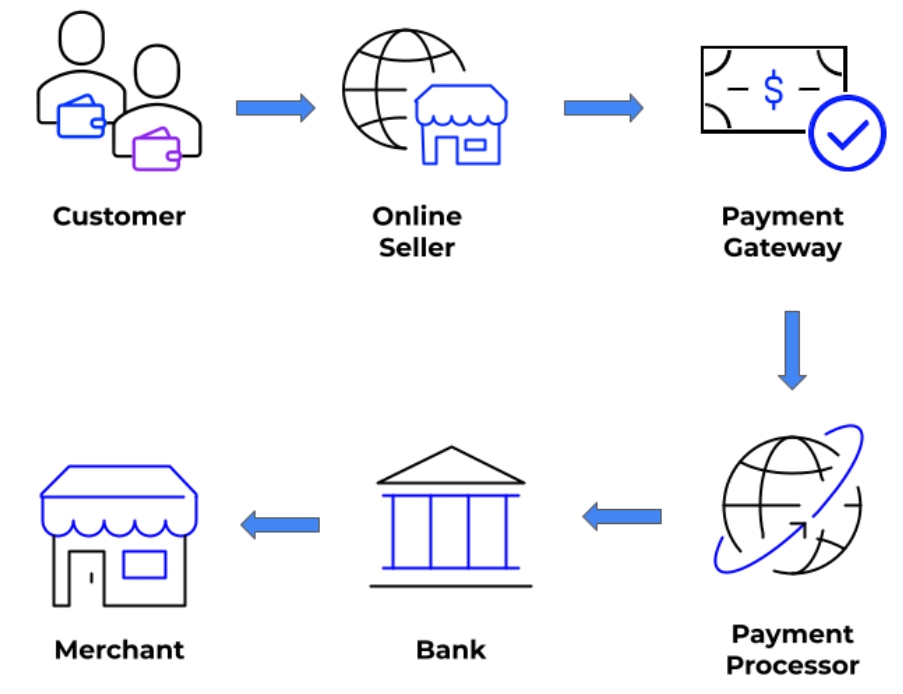
The real choke point, though, is payments. Visa and Mastercard effectively act as regulators. If they pull support, platforms collapse. This gives financial companies enormous influence over what kind of expression survives online. For creators, that means instability. Payouts freeze. Accounts vanish. Appeals take time. Rent doesn’t wait.
Consumers, culture, and where this all leads
Adult content consumption spikes during stressful periods. Analytics firms like Similarweb show usage rising during economic downturns and social disruption, then leveling off. For many users, porn functions less like obsession and more like comfort media. That nuance is usually missing from public debate.
Meanwhile, stigma remains. Society consumes sexual content at scale while shaming the people who produce it. Brands borrow porn aesthetics but refuse explicit association. Platforms profit from sexual attention but block adult monetization links. This hypocrisy pushes creators into secrecy, not safety.
Looking ahead, AI complicates everything. Deepfakes threaten consent. Synthetic performers challenge ownership. At the same time, verified human creators become more valuable, not less. The industry isn’t disappearing. It’s maturing. More rules. More professionalism. More conversations about mental health and exit strategies.
Understanding the online sex and porn industry isn’t endorsement. It’s literacy. And literacy tends to age better than outrage.
Live cams changed intimacy, money, and power dynamics
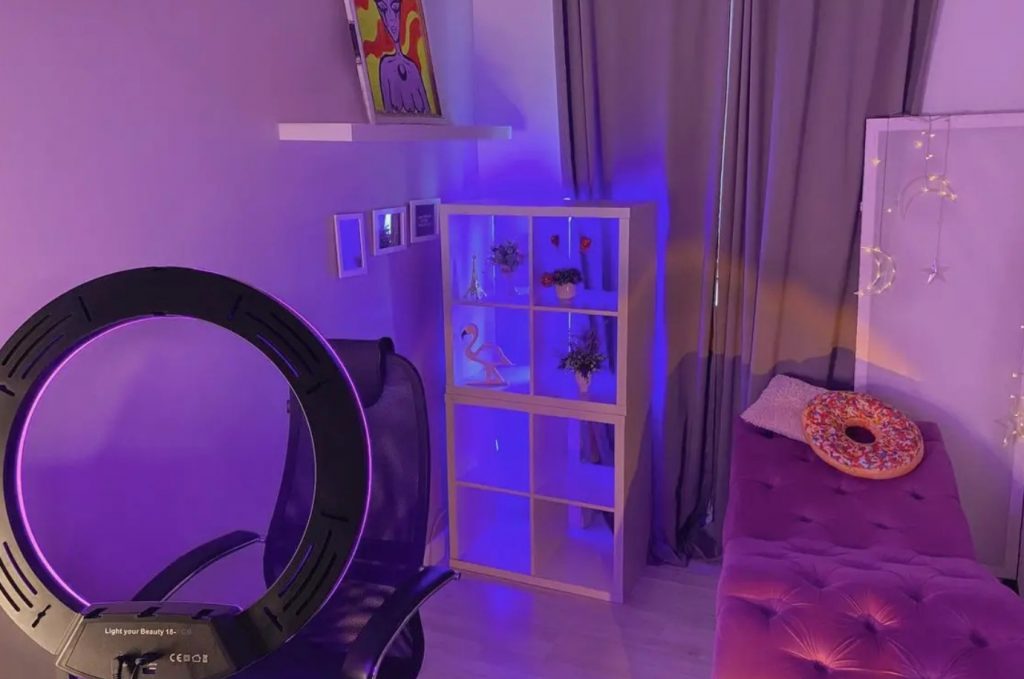
Live cam platforms sit in a different lane than prerecorded porn. They sell presence, not just content. Sites like LivePorn.live and LiveJasmin operate on real-time interaction, where viewers pay for attention, conversation, and control rather than polished scenes. This changes everything.
Economically, live cams reward availability and personality more than production value. A performer with a basic setup but strong conversational skills can outperform someone with studio-grade visuals. Tips, private shows, and token systems create unpredictable income spikes. Some nights are quiet. Others cover a month’s rent in hours. That volatility attracts people who value speed and flexibility, and scares those who need stability.
Psychologically, live cams intensify parasocial dynamics. Viewers feel seen. Performers feel watched. Boundaries blur faster in real time, especially when money flows during emotional moments. Unlike subscription content, there’s no editing buffer. Burnout hits harder when energy becomes the product. Many cam models work shorter careers, not because demand fades, but because constant emotional labor drains faster than expected.
Live cams also highlight a hard truth about the online sex industry: intimacy scales poorly. The closer the interaction feels, the more carefully it must be managed. Performers who survive longterm treat camming like shift work, not social life. Clear rules, scheduled hours, and emotional distance aren’t cold strategies. They’re survival tools.
This industry mirrors human behavior, not moral failure
The online sex and porn industry, including live cams, didn’t grow because something broke in society. It grew because it fits how people actually behave online. People pay for convenience. They pay for novelty. They pay for connection when real life feels thin or overwhelming. Platforms simply optimized for those instincts faster than others were willing to admit.
Creators navigate real opportunity alongside real risk. Consumers move between casual use and overuse depending on stress, isolation, and habit. Regulators chase problems after they scale. Payment processors quietly shape outcomes behind the scenes. None of this is clean. None of it is simple. But it is consistent.
The biggest mistake is pretending this space is separate from the rest of the internet. It isn’t. It’s often the testing ground. Monetization models, algorithm mechanics, creator burnout, parasocial relationships, AI identity risks, these patterns show up here first, then spread everywhere else.
Understanding the online sex, porn, and live cam industry doesn’t require applause or condemnation. It requires clarity. When you understand incentives, behavior stops looking shocking and starts looking predictable. And predictability, not outrage, is what leads to better decisions on every side of the screen.